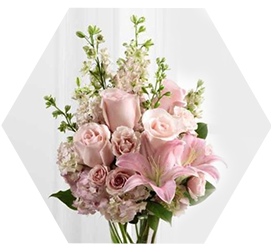
Wedding Flowers Garston Parish Hall Case Study Before and After
Posted on 01/10/2026
Planning wedding flowers for Garston Parish Hall can feel a bit like trying to solve three jobs at once: make the room look beautiful, keep the budget sensible, and get everything ready on time without last-minute chaos. That is exactly why a Wedding Flowers Garston Parish Hall Case Study Before and After is so useful. It shows what changed, why it changed, and how the final floral design worked with the venue rather than against it.
In this guide, we break down the practical side of wedding flower planning for a parish hall setting. You will see what a before-and-after approach reveals, how to think about ceremony and reception styling, where flower choices make the biggest visual difference, and which mistakes are easiest to avoid. If you are deciding between simple and statement florals, or you just want your venue to look polished without overcomplicating things, this will help.
For couples exploring local floral options, it can also help to look at a curated wedding flowers Garston WD25 selection early in the planning process, especially when the venue has its own quirks and layout to work around.
Truth be told, parish halls can be wonderfully flexible. They are usually a blank canvas, which is brilliant, but blank canvases also show everything. The wrong colour palette can feel flat. Too many arrangements can make the room feel crowded. The right flower plan, though, can turn a plain hall into something warm, elegant, and genuinely personal.
Key takeaway: A strong before-and-after floral plan is less about "more flowers" and more about using the right flowers in the right places, so the venue looks intentional from the entrance to the top table.
Table of Contents
- Why Wedding Flowers Garston Parish Hall Case Study Before and After Matters
- How Wedding Flowers Garston Parish Hall Case Study Before and After Works
- Key Benefits and Practical Advantages
- Who This Is For and When It Makes Sense
- Step-by-Step Guidance
- Expert Tips for Better Results
- Common Mistakes to Avoid
- Tools, Resources and Recommendations
- Law, Compliance, Standards, or Best Practice
- Options, Methods, or Comparison Table
- Case Study or Real-World Example
- Practical Checklist
- Conclusion
- Frequently Asked Questions
Why Wedding Flowers Garston Parish Hall Case Study Before and After Matters
When people search for a before-and-after wedding flower case study, they are usually not looking for inspiration alone. They want proof of what actually works. That matters even more at a venue like Garston Parish Hall, where the room may have practical features, fixed lighting, and a straightforward layout that needs careful floral styling to lift it visually.
In a parish hall, the flowers are doing a lot of heavy lifting. They soften hard edges. They create shape. They guide the eye. They can hide awkward corners, frame a backdrop, and make photographs feel richer without turning the room into a flower shop exploded all over the place. A good case study shows that transformation clearly.
It also helps couples make decisions with less guesswork. You can compare what the space looked like before any styling, then see which elements made the biggest difference after the flowers were installed. Was it the entrance display? The aisle flowers? The registrar table? The top table arrangement? Usually, it is a mix of small wins rather than one giant arrangement doing all the work.
That is the practical value here. You can learn what creates impact, where to place your budget, and how to avoid overspending on areas that do not photograph as well. And yes, in a hall setting, some things look better in person than in photos, while other things are the reverse. Funny old thing, really.
A before-and-after approach also supports better communication with your florist. Instead of saying "make it pretty," you can say, "We want the room to feel brighter, more elegant, and less empty near the back wall." That is a much more useful brief, and it usually leads to much better results.
How Wedding Flowers Garston Parish Hall Case Study Before and After Works
The idea is simple: document the venue before styling, identify the visual problems or blank areas, then show how floral design changes the mood and structure of the room. The value is not just in the photographs. It is in the thinking behind them.
What the "before" stage usually shows
Before the flowers are added, parish halls often look functional rather than romantic. You may see plain walls, fluorescent lighting, foldable furniture, uneven sightlines, or a stage area that dominates the room more than you would like. None of that is a problem on its own, but it gives you a baseline.
The before stage helps answer questions like:
- Where does the room feel empty?
- Which areas need softening?
- What will be visible in key photos?
- Where will guests first look when they enter?
- Which features should be hidden, balanced, or highlighted?
What the "after" stage should prove
The after stage is not just about "prettier flowers." It should demonstrate that the room now feels coherent. The styling should make sense from every angle. Guests should walk in and instantly understand the tone of the day: relaxed, classic, romantic, modern, rustic, or maybe a mix of those.
For example, if a ceremony area looked flat before, a floral arch, pedestal arrangement, or table arrangement can give it a focal point. If the seating area felt sparse, small pew ends or chair flowers can create rhythm without overcrowding the room. If the hall felt too bright or harsh, mixed greenery and softer tones can calm the atmosphere a little.
How florists typically build the look
Most strong wedding flower plans for a hall are built in layers:
- Foundation pieces such as ceremony focal points, table arrangements, or entrance flowers.
- Supporting pieces such as buttonholes, bridesmaid bouquets, and smaller accent arrangements.
- Detail pieces such as petals, posies, vase arrangements, or subtle floral runs.
That layered method matters because it helps the room feel designed rather than decorated. A handful of well-placed floral elements almost always works harder than a lot of scattered extras.
Key Benefits and Practical Advantages
A carefully planned floral transformation for Garston Parish Hall offers more than visual appeal. It makes the whole day smoother. That sounds almost too practical for weddings, perhaps, but it is true.
| Area | Before | After | Why it matters |
|---|---|---|---|
| Entrance | Plain or easy to miss | Welcoming and obvious | Sets the tone as guests arrive |
| Ceremony space | Functional and open | Focal and romantic | Improves the ceremony backdrop |
| Tables | Practical but bare | Balanced and styled | Makes photos and guest experience better |
| Room atmosphere | Can feel a little stark | Warmer and softer | Changes the emotional feel of the venue |
| Photography | Plain backgrounds | More depth and colour | Creates better images without heavy editing |
There are also budget benefits. When you know which pieces have the biggest visual impact, you can spend where it counts. A statement arrangement at the ceremony point may matter more than multiple small additions that guests barely notice. That does not mean everything should be minimal. It just means the design should be intentional.
Here are the practical wins people often notice most:
- The room feels more expensive, even when the design is sensible.
- Photos look more finished and less like a hired hall.
- Guests immediately understand the style of the wedding.
- The venue's neutral base becomes an advantage rather than a challenge.
- Flower choices can tie together outfit colours, table decor, and stationery.
A well-planned flower design also reduces stress on the day. If the florist has a clear before-and-after concept, there is less uncertainty about where each arrangement belongs. That means fewer "Where should this go?" moments while everyone is trying to get dressed, smile, and remember the rings. Which is helpful, to be fair.
Who This Is For and When It Makes Sense
This approach is ideal for couples who want their venue to feel polished without relying on excessive decoration. It is especially useful if you are getting married in a parish hall, community hall, or a similarly versatile space in Garston that needs visual shaping.
You may find a case study before-and-after format useful if you are:
- planning a wedding on a realistic budget
- trying to decide between DIY and professional styling
- working with a fairly plain venue that needs atmosphere
- choosing flowers for photography as much as for the room itself
- comparing a few floral styles before booking
- looking for wedding flowers that feel personal, not generic
It also makes sense if you are the person doing most of the planning. Many couples start by thinking about colour, then suddenly realise they also need to solve layout, guest flow, and timings. The before-and-after method helps you step back and look at the full picture rather than treating flowers as an afterthought.
And if your venue setup is time-sensitive, this becomes even more valuable. Parish halls often have tight turnarounds between regular use and wedding setup, so the flower plan needs to be efficient. No one wants a beautiful idea that takes three hours to install when the room is only available for one. That is a hard no.
Step-by-Step Guidance
Below is a simple way to plan the floral transformation from the first conversation to the final styling.
1. Walk the venue with fresh eyes
Before choosing flowers, look at the room as a guest would. Stand at the entrance, near the ceremony point, beside the tables, and at the back of the hall. Notice what feels empty, what stands out too much, and what might benefit from softening.
Try doing this in similar daylight if possible. A hall can look completely different at 11am than it does by late afternoon. That small detail can change your colour choices more than people expect.
2. Identify the visual priorities
Not every corner needs flowers. Pick the places that will be seen most and photographed most. In many parish hall weddings, those are:
- the entrance
- the ceremony table or focal point
- the top table
- the guest tables
- any stage, alcove, or background wall
If budget is tight, concentrate on the top three. You can always add smaller touches later if needed.
3. Choose a flower palette that suits the room
Soft whites, blush pinks, creams, and greenery often work beautifully in a simple venue because they add light without shouting. Stronger colours can also work, especially if the couple wants a more vibrant, celebratory feel. The key is contrast and balance.
For a hall with pale walls and lots of daylight, deeper tones can add richness. For a darker or more functional room, lighter flowers may open things up. That part really matters.
4. Decide what each arrangement should do
Every arrangement should have a job. A bouquet should carry the bridal style. A table arrangement should support conversation and not block sightlines. A ceremony piece should frame the moment. If an arrangement is beautiful but does nothing for the room, it may not be pulling its weight.
5. Confirm timing, delivery, and setup
Wedding flowers are not just about choosing blooms. Timing matters. You want the flowers delivered and installed close enough to the ceremony to stay fresh, but early enough to avoid panic. Delivery planning becomes much easier if you also review the venue's own arrangements and any guidance on access, which is why pages like delivery information and about us can be genuinely helpful when you are narrowing down who to trust.
6. Review the final look against your original "before" goals
Once the flowers are in place, compare the finished room with your original plan. Did it feel warmer? Did the ceremony point become clearer? Did the tables look intentional? A good case study answers these questions in a way that is almost obvious once you see it.
Expert Tips for Better Results
After seeing plenty of wedding setups, a few things come up again and again. They are simple, but they make a real difference.
- Use one strong focal area. If everything competes, nothing stands out. The eye needs somewhere to land.
- Keep table arrangements guest-friendly. Tall can be lovely, but only if people can still talk across the table.
- Match the scale of the room. A tiny arrangement in a large hall can disappear. A huge piece in a small room can feel awkward.
- Use greenery to bridge gaps. It helps connect larger pieces and makes the design feel calmer.
- Think about the walk-in moment. The first five seconds matter more than people realise.
A small professional habit makes a big difference too: photograph the room before the flowers go in, and again after. Same angle if possible. It sounds obvious. People still skip it. Then they wish they had the comparison later when they are trying to explain what changed.
Another useful tip is to think about texture, not just colour. Roses, lisianthus, orchids, hydrangeas, and mixed foliage all create slightly different visual rhythms. Texture stops the design from looking flat in real life and in photographs. If the room is simple, texture becomes even more valuable.
Finally, be honest about what the room can handle. Sometimes the smartest design choice is restraint. A few elegant statements in the right places will look more refined than trying to floral-everything, which, let's face it, can happen when excitement takes over.
Common Mistakes to Avoid
A lot of floral disappointment comes from the planning stage, not the flowers themselves. The design may be lovely, but the brief, scale, or placement can be off. Here are the most common issues.
Ignoring the venue layout
What looks beautiful online may not suit a hall with narrow walkways, low ceilings, or fixed furniture. Always plan for the actual room, not the mood board version.
Overcrowding the space
More flowers are not always better. In a parish hall, too many arrangements can make the room feel cluttered, especially if they block sightlines or movement.
Choosing colours without considering light
Natural daylight, artificial light, and evening lighting all change how flowers look. Some tones appear softer, others stronger. That can be a pleasant surprise or a frustrating one.
Leaving the ceremony focal point too plain
It is common to spend heavily on bouquets and then forget the background where the most important photos happen. That is an avoidable miss.
Not thinking about transport and freshness
Delicate flowers need sensible handling. If there is a long delay between collection and installation, the design can suffer. For the best results, ask about care guidance and handling, and it is worth reading flower care advice before the day.
Forgetting budget priorities
If every element is given equal weight, the budget gets thin very fast. Decide what must look best and protect that part of the plan.
Tools, Resources and Recommendations
You do not need a huge toolkit to plan wedding flowers well, but you do need a few practical resources. A notebook, a few reference photos, a venue sketch, and a simple list of priorities can save a lot of time.
These are worth having to hand:
- Venue measurements or rough room notes so arrangements can be scaled properly.
- Reference images that show the style you want, not just "pretty flowers."
- A colour palette with two or three main tones and one accent.
- Delivery and setup timing notes so everyone knows the order of the day.
- Flower care information for keeping stems fresh until the ceremony begins.
On the product side, many couples like to browse collections that already suit a wedding setting rather than starting from scratch. The following options can help shape a coherent look: bridal bouquets, bridesmaid bouquets, buttonholes, and table arrangements.
If you want a broader wedding range to compare styles and colour stories, the weddings collection and the I Cherish You wedding collection are sensible places to start. There are also elegant set pieces such as the The Perfect Match bridal bouquet and SI bridal bouquet, which can help you keep the styling consistent across the party.
If you are coordinating the whole event, it can help to think in terms of categories rather than individual stems. Bouquet, ceremony feature, guest tables, and finishing details. Simple. Manageable. Less faff.
Law, Compliance, Standards, or Best Practice
For wedding flowers, there is usually no complicated legal framework for the flowers themselves, but best practice still matters. Venue access rules, fire safety, cable runs for any hired equipment, and general public safety expectations can all affect how floral decor is installed. If the hall has its own event policies, those should be followed carefully.
In a venue like Garston Parish Hall, practical considerations matter more than grand statements. For example:
- Do not block exits, walkways, or accessibility routes with floral displays.
- Keep arrangements stable so they cannot tip over if brushed by guests.
- Avoid loose petals or decor items that could create slip risks in busy areas.
- Check whether the venue has restrictions on hanging items or wall fixings.
- Make sure any hired decorative items are suitable for the space and easy to remove after the event.
It is also wise to consider allergy awareness. Strong scents can be lovely to some people and overwhelming to others, so if the guest list is mixed, a balanced fragrance approach is usually safer. That is one of those details people often only think about once they are standing in the room.
From a service perspective, the best practice is clear communication. Confirm delivery windows, setup responsibilities, collection arrangements, and what happens if plans change. A reputable florist should be able to explain this plainly. No waffle needed.
Options, Methods, or Comparison Table
Different wedding flower approaches suit different budgets and room styles. Here is a straightforward comparison to help you choose.
| Method | Best for | Strengths | Limitations |
|---|---|---|---|
| Minimal styling | Small budgets or very simple ceremonies | Clean, affordable, easy to install | May not transform a plain hall enough |
| Balanced floral plan | Most parish hall weddings | Good value, strong impact, flexible | Needs careful placement to avoid looking sparse |
| Statement styling | Couples wanting a more dramatic look | High visual impact, strong photography | Can be more expensive and space-sensitive |
| Mixed fresh-and-formal styling | Weddings with a classic, layered look | Rich texture and strong cohesion | Requires more planning and coordination |
For many Garston Parish Hall weddings, the balanced floral plan is the sweet spot. It gives enough transformation to feel special without overwhelming the venue. That said, if your guest count is small and you want a more intimate feel, a minimal plan with a few well-chosen focal points can work beautifully. It really depends on the room and the mood you want.
Case Study or Real-World Example
Here is a practical before-and-after example based on the kind of change that works well in a parish hall setting.
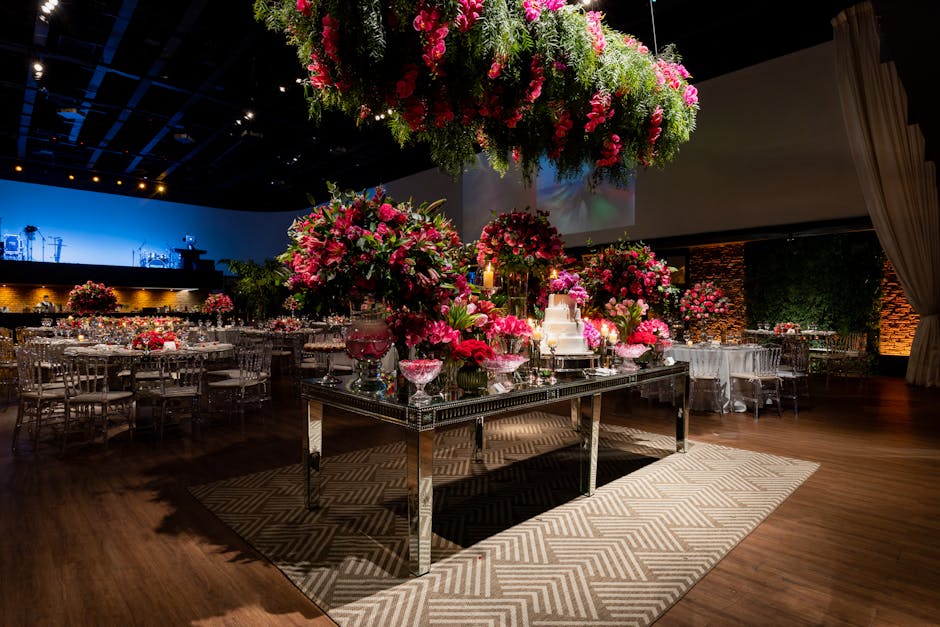
Before: The room felt open but unfinished. The ceremony area had no strong focus, the tables were plain, and the entrance did not clearly signal that a wedding was happening. The overall atmosphere was tidy, but a little flat. Not bad, just not memorable.
After: A floral focal point was placed at the ceremony area, helping guests immediately understand where to look during the vows. Matching table arrangements added softness and tied the room together. Smaller coordinating flowers at the entrance made the space feel welcoming from the moment people stepped inside. The colour palette stayed gentle and cohesive, so the hall still felt like itself, only warmer and much more polished.
What changed most was not the number of flowers but the structure of the room. The eye now moved naturally from entrance to ceremony point to tables. That is the quiet trick behind strong wedding floral styling. You are not just adding beauty; you are guiding attention.
In photographs, this kind of setup usually reads much better too. The background looks richer, the couple stands out more clearly, and there is less need for editing to make the space feel finished. You can almost feel the room settle into its new mood. A small thing, maybe. But it matters.
If the budget allowed, a refined bridal bouquet and matching bridesmaid bouquets completed the look without competing with the venue. That detail made the wedding feel unified rather than pieced together. And that is often what couples mean when they say they want the day to feel "put together."
Practical Checklist
Use this checklist to keep your wedding flower planning on track.
- Confirm the venue layout and where flowers will be most visible.
- Decide on your main colour palette and any accent tones.
- Choose the top three areas that need the biggest visual impact.
- Check delivery timing and installation access.
- Make sure the ceremony focal point is clearly styled.
- Keep table designs low enough for conversation, unless height is intentional.
- Match bouquets and buttonholes to the overall wedding style.
- Review care instructions for freshness and handling.
- Ask about venue restrictions, especially for walls, exits, and hanging decor.
- Take before photos so you can judge the transformation properly later.
If you want a second layer of support, it is worth browsing trusted pages on delivery, guarantees, and practical service policies before you finalise. Small details. Big peace of mind.
Conclusion
A Wedding Flowers Garston Parish Hall Case Study Before and After is useful because it shows the real job flowers do in a venue like this. They do not just decorate a room. They shape it. They add warmth, guide attention, and help a simple hall feel like the right setting for a wedding day.
The best results usually come from a clear plan: understand the room, choose the right focal points, keep the styling coherent, and avoid overcrowding. If you do that well, the transformation feels natural rather than forced. And honestly, that is the sweet spot most couples are looking for.
When you are ready to compare styles, choose arrangements, or see what suits your venue best, take your time and trust the room as much as the flowers. The right design will feel calm, welcoming, and quietly special. That is the good stuff.
Get a free quote today and see how much you can save.
Frequently Asked Questions
What does a wedding flowers before and after case study actually show?
It shows how the venue looked before styling, what floral changes were made, and how those changes affected the overall feel of the room. In a parish hall, that is especially useful because the transformation can be subtle in some places and dramatic in others.
Why is Garston Parish Hall a good venue for floral styling?
Because it acts like a blank canvas. That gives you room to create a personal look, but it also means the flowers need to do some of the visual work. The right arrangement can completely change the atmosphere.
What flowers work best for a parish hall wedding?
Classic options such as roses, lisianthus, orchids, hydrangeas, and mixed greenery often work well because they photograph nicely and suit both simple and elegant styling. The final choice should still match your colour palette and the room's light.
How many floral arrangements do I need for a hall wedding?
There is no fixed number. Most couples benefit from concentrating on the entrance, ceremony focal point, and tables first. After that, smaller details can be added if the budget and space allow.
Can wedding flowers make a plain hall look luxurious?
Yes, if they are placed thoughtfully. Luxury is often about cohesion, scale, and quality rather than sheer quantity. A few well-designed arrangements can look far more refined than lots of random extras.
What is the best budget-friendly approach for wedding flowers?
A balanced plan usually works best. Focus on one or two high-impact areas, use flowers and greenery with good volume, and avoid spreading the budget too thin. That way the room still feels styled without going overboard.
How far in advance should I plan my wedding flowers?
It is sensible to start early, especially if you want a specific style or a busy wedding date. Early planning gives you time to refine the venue layout, colour choices, and delivery details without stress.
Do I need matching bouquets and table flowers?
Not exactly matching, but they should feel connected. A shared colour story or flower family is usually enough. You want the bouquet, buttonholes, and tables to feel like part of the same wedding, not separate projects.
Are scented flowers a problem in a venue like this?
They can be, depending on the guest list and room size. Some fragrance is lovely, but too much can overpower a small space. If you are unsure, a more balanced mix is usually safer and easier for guests.
What is the biggest mistake couples make with wedding flowers?
Probably choosing arrangements without thinking about the venue layout. A beautiful design can still feel wrong if it blocks movement, hides the ceremony point, or gets lost in the room. Venue fit matters a lot.
Should I choose flowers for photos or for the room itself?
Both, ideally. The best designs work in person and on camera. If you have to prioritise, the ceremony focal point and entrance usually give the strongest return because they shape the guest experience and the photographs at the same time.
How do I compare different wedding flower options?
Look at scale, freshness, style consistency, delivery support, and how well the arrangements suit your venue. A helpful comparison should show you not just what looks pretty, but what actually works in the room.
Can I use a mix of simple and statement flowers?
Absolutely. In fact, that is often the smartest approach. Use statement pieces where they matter most, then keep the supporting flowers simpler. It creates balance and usually makes the budget go further.